About Us
Built by researchers and engineers who understand how fleets actually operate. Nextdriv translates routes, schedules, tariffs, vehicle constraints, and grid limits into defensible electrification and charging decisions.
Built by researchers and engineers who understand how fleets actually operate. Nextdriv translates routes, schedules, tariffs, vehicle constraints, and grid limits into defensible electrification and charging decisions.
Our People
Leadership

Co-founder & Research Lead
Jônatas Manzolli is an engineer and researcher in electric-fleet optimization, charging infrastructure, and battery-aware operations, published in top journals.
LinkedIn ↗
Co-founder & Scientific Advisor
Luis Miranda-Moreno is a Professor at McGill University with more than 15 years of experience in sustainable mobility and emerging transportation technologies.
LinkedIn ↗Product & Engineering

Software & Optimization Engineer
Kaan Gün is an engineer with expertise in artificial intelligence, energy systems, and cybersecurity, with a Master’s degree in Electrical Engineering at McGill.
LinkedIn ↗
Business & Strategy Associate
Yanxin Li is a Master’s student in Management Analytics at McGill University (Desautels), with a background in finance, communications, and business strategy.
LinkedIn ↗
Full-Stack Developer
Sarah Matmati is a 4th-year Computer Science & AI student at McGill University, passionate about backend development, Java/Spring Boot, and data-driven systems.
LinkedIn ↗Our Mission
Our mission is to give fleet operators the evidence and tools required to electrify reliably, control costs, and make better infrastructure decisions over the full life of their assets.
Research & Development
We empower operators to achieve efficiency, cut costs, and reduce environmental impact.
Journal: IEEE Access
Couples a simulation-based energy consumption model with optimized charging schedules for electric bus fleets.
Journal: Energy
A coordinated charging strategy that weighs vehicle-to-grid revenue against battery degradation.
Journal: Applied Energy
An optimization framework balancing battery health, time-of-use tariffs, and energy consumption in daily charging.
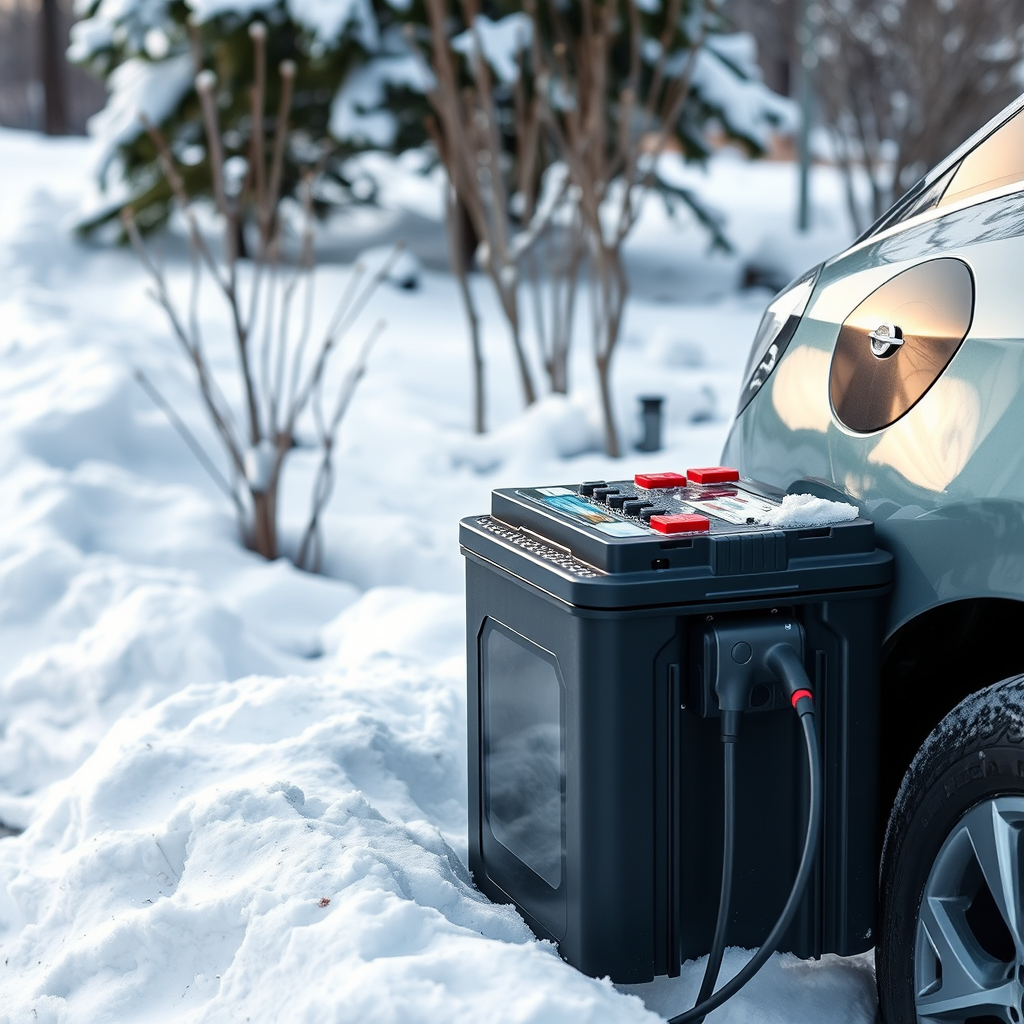
Journal: IEEE Access
A charging strategy built on a semi-empirical battery degradation model, accounting for weather conditions.
Case Study · Cold-Climate Fleet Planning
A Quebec City case study integrated agent-based traffic simulation, physics-based energy modeling, and charging optimization across 52 bus lines and 1,947 evaluated trips. Fast charging reduced upfront investment but created power peaks of approximately 20 MW; slow charging reduced modeled 10-year TCO by 7% and supported smoother grid integration.
Increase in modeled fleet energy demand under winter conditions.
Larger fleet required to keep winter service reliable.
More chargers required in cold conditions.
Lower total cost of ownership with slow charging vs. fast.
Bring one route, one depot, or your whole network. In 30 minutes we'll show you what evidence-based electrification planning looks like on real data.
Request a fleet assessment →